
Summer’s a great time to be out and about with your four-legged bestie, but it can be a particularly hard season for many dogs. Dogs die in hot cars even during temperate months, and just because your pet doesn’t have a thick coat doesn’t mean she can withstand the heat. We’ve compiled 5 safety tips to keep your dog cool and healthy while she’s in the car.
TIP #1: Prepare and Prevent
Sure, your dog may love trips in the car, but put yourself in her shoes (er, paws)… Would you like to be trapped in a warm vehicle with no way of getting out? If you plan to take car trips with your furry friend, make sure there is another adult with you to stay in the car with your pet, keeping the car running and the air conditioning on.
TIP #2: Know and Watch Out for Signs of Heat Exhaustion
Dogs don’t cool down in the same way humans do–by sweating through their skin. Watch out for the following signs of animal heat stroke:
- Excessive panting/drooling
- Dry mucous membranes
- Abnormal hyperactivity or overly excited
- Dark purple tongue
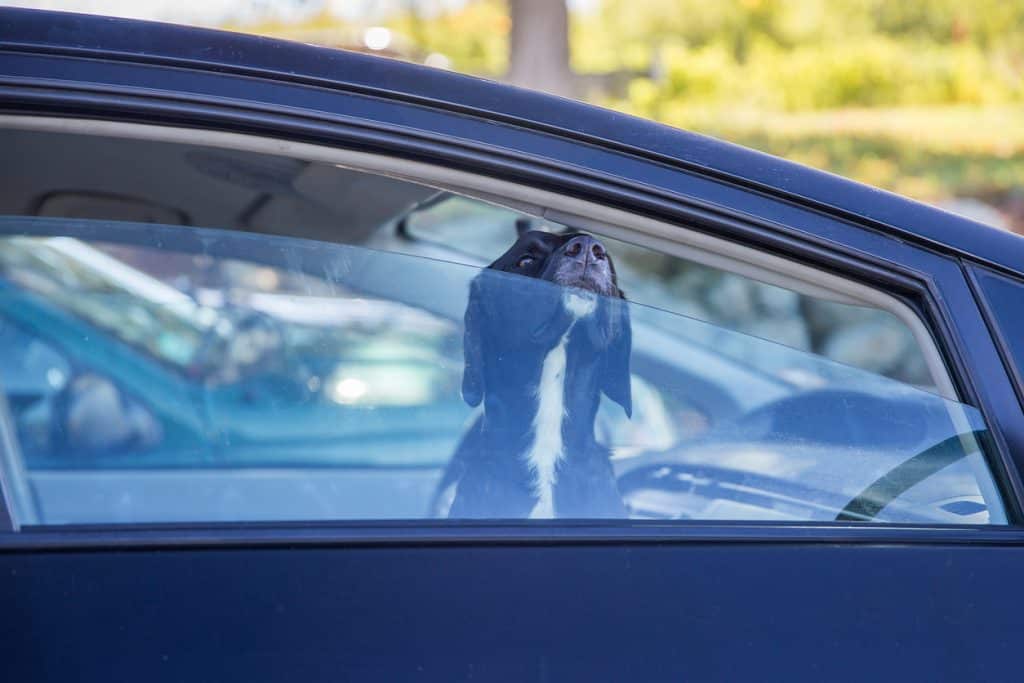
- Frantic behavior like pawing at the window/door or sticking her nose out a crack in the window
- Involuntary bowel movements
- Glossy eyes
- Lethargic behavior
- Non-responsiveness
TIP #3: Take Action and Get Help
You can be the difference between life and death for a helpless animal. If you see a pet in a car, try going into the nearest business and providing an employee with the vehicle’s license plate number, make and model, and a description of the animal inside. If you are unable to locate the owner quickly, try calling your local Animal Control so they can provide you with further guidance.
Be sure to follow your state’s protocol for reporting pet negligence. Some states have Good Samaritan laws in place that protect people from being held civilly/criminally liable if they break and enter a vehicle to save an animal. For example, California recently passed a bill making it legal for people to break into a car if they are concerned for the well being of the animal inside. However, the person must call the authorities first (animal control, fire department, or police) and must wait at the scene until the authority the person contacted arrives.
Laws and reporting vary by state. Pets are technically considered property, and you could be charged if the method you used to enter a vehicle is interpreted as unnecessary or extreme. If there is no other alternative and you choose to proceed, take extra caution as the animal you are trying to save may go into shock and try to attack you. If your moral obligation conflicts with the legal realities, carefully weigh your options.
TIP #4: Help Save a Life
If you’ve rescued an animal from a hot vehicle, assess her condition and consider the next steps. If she is in serious condition– unresponsive or her tongue has turned purple – take her to an emergency vet clinic immediately. Otherwise, use room-temperature or lukewarm water to cool her body down. DO NOT use ice as it can send hot dogs into shock. Offer fresh, cool water, but make sure she doesn’t drink it too quickly so she won’t vomit and further dehydrate.
Next, get the animal into air conditioning and give her time to rest and recover. Once she seems better, dry her off to prevent over-cooling.
Lastly, call Animal Control or your local Police Department to report the incident. Try not to be aggressive toward the pet owner if they return to their vehicle. This can hinder your Good Samaritan protection, and the person may return the aggression and resist being educated on the issue.
TIP #5: Educate others
Share this article with your fellow animal lovers so they know what to do if they encounter a pet stuck in a hot car.
Did you read our 7 Tips for Keeping Pets Safe this 4th of July? Stay tuned for more pet safety advice.